
Last updated: January 29, 2026

February Birthstone: Amethyst

Amethyst crystal cluster
Picture of Sarah Beckett

Sarah Beckett

Those with February birthdays are treated to the deep purple hues of amethyst for their birthstone. Amethyst is a popular gemstone, but what is amethyst, what is its meaning, and what jewellery is best suited to amethyst? We break it all down this month in our birthstone blog.

What Is Amethyst?

Amethyst is the February birthstone and is the purple form of quartz; the mineral silicon dioxide. The term ‘amethyst’ is derived from the Greek ‘methustos’, meaning ‘intoxicated’. Adding the ‘a’ (meaning not) prefix formed the word Amethystos, changing it to the opposite meaning of ‘not intoxicated’.

The purple colour of amethyst is caused by iron impurities within the crystal structure, and often features colour zoning where there will be lighter or darker areas rather than a solid purple throughout the crystal. Amethyst typically forms in geodes or in cavities in granitic rocks.

Amethyst is also the traditional gift of the 6th and 17th year of marriage. 

The History of Amethyst

Amethyst has a long history, and as such is associated with many myths and legends. Most famously the Ancient Greeks and Romans believed that amethyst could ward off drunkenness. In the middle ages amethyst was synonymous with royalty and represented the deity of Christ.

Leonardo Da Vinci was also a fan of amethyst, saying that it quickened intelligence and got rid of evil thoughts. He often carried an amethyst stone with him.

In the late 1800s Tiffany & Co, wishing to boost sales released the now famous list of birthstones, with amethyst being given the February birthstone;

“The February-born shall find
Sincerity and peace of mind,
Freedom from passion and from care,
If they an amethyst will wear.”

famousamethyst2 1
A stunning example of an art nouveau amethyst pendant produced in 1915 by Louis Tiffany that now resides in the Smithsonian's collection

Amethyst Colour, Clarity & Quality Factors

Colour is first and foremost the most important factor when it comes to assessing the quality of an amethyst as most amethyst have high clarity. In fact amethyst is split into qualities using distinct colours.

Rose de France is a lighter pinkish purple tone. It must have a pink hue but a lilac or purple body tone to be called Rose de France. It has a soft, romantic appearance. Most good quality Rose de France amethyst comes from Bolivia.

rose de france amethyst raw
Raw Rose de France Amethyst

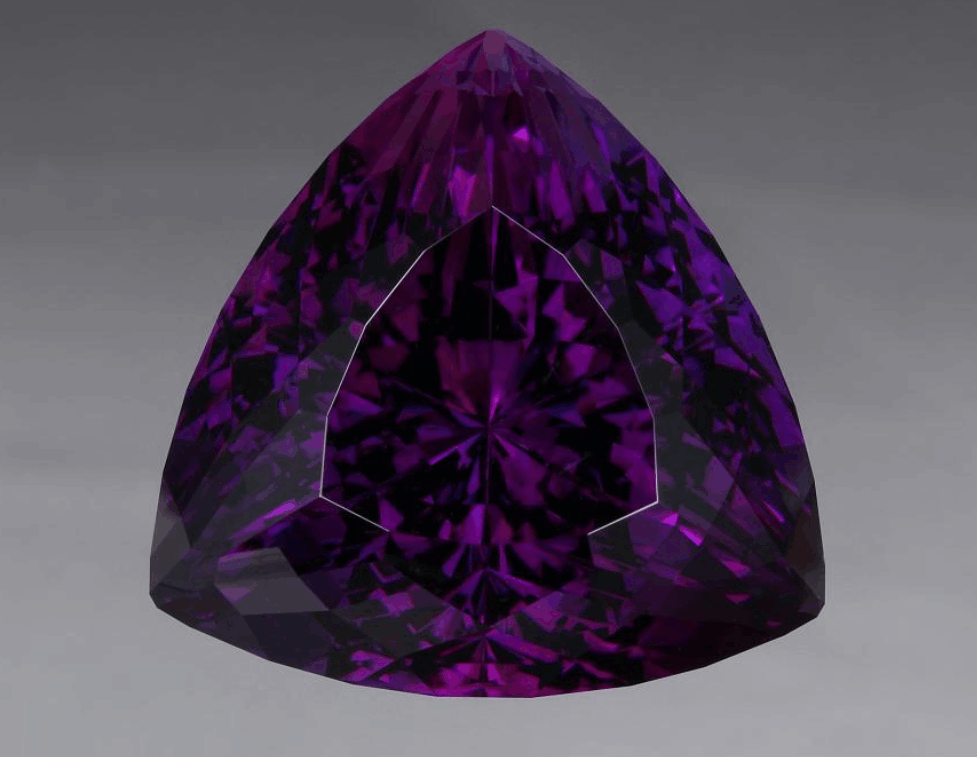
Siberian is the term used to describe the finest amethyst colour. It has red and blue flashes and is the most prized by collectors. Originally mined in the Ural mountains of Russia (hence the name) it now extends to any amethysts with these colour characteristics. The most recently discovered deposit was found in Rwanda in 2015.

Amethyst by John Dyer
courtesy of Smithsonian 1 e1769052525139
This stunning 78.3-carat Super Trillion™ Cut amethyst from Rwanda was faceted by award-winning cutter John Dyer.

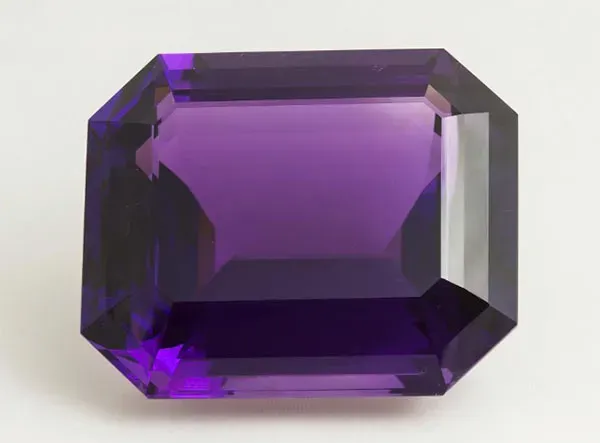
Brazilian material is a moderate to dark purple colour often with colour zoning. It is known for large crystals and good clarity, but is very common hence very affordable prices.

Brazillian Amethyst
This 401.52ct Brazilian amethyst is one of the finest and largest faceted amethyst in the National Gem Collection at the Smithsonian

What is Green Amethyst?

Green Amethyst is actually a misnomer- to be amethyst the quartz needs to be purple. The correct trade name for green quartz is prasiolite. Natural prasiolite is very rare and only forms in a few places in the world, mainly in Brazil and Poland. Most prasiolite found in the market is actually amethyst that has been treated with radiation to turn the purple colour into a light minty green tone. It is not to be confused with other green forms of quartz such as chrysoprase or the chlorite mineral prasolite.

Prasiolite 1
Prasiolite showing its minty green hues

Where Is Amethyst Found?

Amethyst is found worldwide, including across Australia. The largest amethyst producers however are in Brazil and Uruguay in the Rio Grande and Artigas mining regions. The largest natural amethyst geode ever found came from here, being named the ‘Empress of Uruguay’. It stands over 3.2 meters in height, and is today housed in a museum in Atherton, Queensland.

Notable amethyst deposits are also found in Bolivia, Russia and Zambia, with Bolivia also being home to the prized natural ametrine.

Is Amethyst an Affordable Birthstone?

The Gemological Institute of America (GIA) says that Amethyst used to be as expensive as ruby or emerald until the 19th century when Brazil discovered their large deposits. Today amethyst is a very common gemstone which makes it affordable. You could expect to pay below $100 for most stones, with larger faceted sizes costing a little more but not prohibitive to most buyers when compared to a similar size in a purple sapphire or spinel . Custom fancy cuts, or stones of exceptional colour with red and blue flashes (Siberian) may attract a premium price.

fantasy cut amethyst Greg Polley 1
A fancy-cut amethyst; these types of cuts attract a premium price

Amethyst in Fine Jewellery

Amethysts are very versatile and are often set in all metals and styles. They are 7 on the Mohs scale, meaning they are best suited to earrings, pendants or dress rings. Lower priced amethysts are often set in silver or 9ct yellow gold. Siberian, Rose de France and fancy cuts are generally set in higher carat metals to suit the value of the stone.

How to Care for Amethyst Jewellery

Amethyst is durable for most pieces. Over time amethyst set rings and bracelets that are worn daily may develop scratches and dull table facets, but generally the stone can be replaced with a similar stone very easily.

Clean your amethyst with a soft brush and warm, soapy water before rinsing with clean water. Avoid prolonged heat or bright sunlight as over long period of time this can cause it to lose its colour.

amethyst 9ct rose gold shepherd hooks
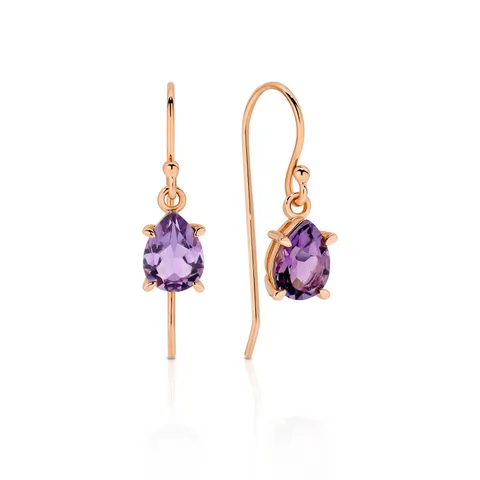
A simple pair of 9ct rose gold amethyst dangles

Amethyst vs Other Purple Gemstones

Amethyst is only one of a collection of different gemstones that display various purple hues; sapphire, spinel and tanzanite. We break down the differences in the table below to help you decide which purple stone is best suited for your needs and lifestyle.

PropertiesAmethystPurple SapphireTanzanitePurple Spinel
Colour Example Courtesy of Jeff Davies & Son (1) courtesy of the natural sapphire company (1) Tanzanite cut stones purple spinel
Moh's Scale (Hardness)796 to 78
ColoursLight lilac to deep purpleViolet to deep plumBlue and purple with green and brown from certain angles. Most blue and purple stones on the market are heated.Purplish grey, lavender to rich purple
Durabiity for Daily WearGoodExcellentGoodVery Good
Price Range$$-$$$$$$$$$$-$$$$$$$-$$$$
Key CharacteristicsExcellent value, widely available, vibrant colourExtremely durable, rareTrichroic colours, softer stoneHigh brilliance, durable
Best UseBirthstone pieces, dress rings, earrings, pendantsEngagement rings, dress rings, fine jewelleryDress rings, earrings, pendantsAlternative engagement rings, fine jewellery

Amethyst as a Gift for February Birthdays

Here at Diamondport we pride ourselves on creating jewellery pieces that can be treasured for many years to come, so if you’re after an amethyst pendant from our birthstone range, or something fully customised we have you covered.

Shop our amethyst birthstone pendant here:

Book your private consultation today, and let our skilled jewellers create a piece of jewellery as unique as you. 

Shopping cart0
There are no products in the cart!
Continue shopping
0

Hi there.

Want to get in touch?

Drop us a line

This site is protected by reCAPTCHA and the Google Privacy Policy and Terms of Service apply.